
NEWS
BREAKING:Geopolitics, Power Signals, and the Importance of Verifiable Facts.

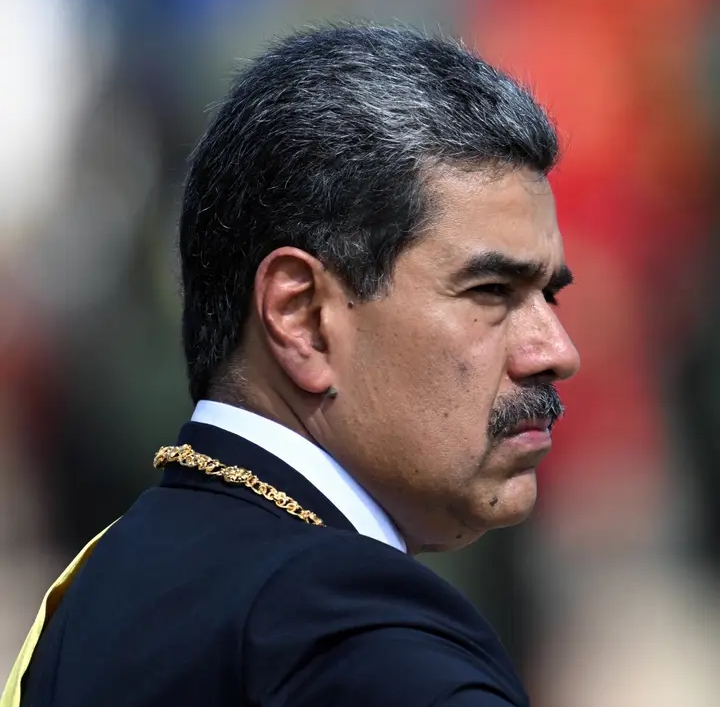
Recent online claims suggesting that a U.S. military operation “captured Venezuelan President Nicolás Maduro” and was intended to warn China to “stay away from the Americas” have drawn widespread attention.
Such assertions, however, underscore the growing need to separate geopolitical analysis from misinformation and unverified narratives.
As of publicly available and credible reporting, Nicolás Maduro has not been captured by U.S. forces.
He remains in Venezuela, continuing to exercise control over the state apparatus.
No official statement from the U.S. Department of Defense, the White House, or allied governments supports the claim of such an operation.
In international affairs—particularly those involving military action—events of this magnitude would be impossible to conceal and would dominate global news cycles.
That said, the broader theme embedded in the claim points to a real and ongoing geopolitical reality: the Western Hemisphere remains a critical arena of strategic competition, particularly between the United States and China.
Over the past decade, China has expanded its economic, diplomatic, and technological footprint across Latin America through infrastructure investments, energy projects, loans, and trade agreements.
These developments have increasingly drawn scrutiny from U.S. policymakers concerned about national security, regional influence, and long-term strategic balance.
The United States has historically viewed the Americas as vital to its security interests, emphasizing partnerships, democratic governance, and regional stability.
Military exercises, diplomatic engagement, sanctions, and economic initiatives are often used as signals—both to allies and competitors—about U.S. priorities and red lines.
In that sense, Washington does communicate messages to global rivals, including China, but typically through policy statements, strategic doctrines, and visible diplomatic or military postures rather than covert or fictionalized actions.
False or exaggerated claims about dramatic military operations risk distorting public understanding and inflaming tensions without evidence.
They also distract from legitimate discussions about how global powers compete for influence, how smaller nations navigate that competition, and how international law and sovereignty are respected—or challenged—in the process.
In an era of rapid information sharing, critical evaluation of sources is essential.
Geopolitical rivalry is real, and strategic messaging does occur, but it must be understood through verified facts and credible reporting.
Only then can meaningful discussion take place about the future of the Americas, global power dynamics, and the role of diplomacy versus confrontation in shaping international order.

Breaking News: Oprah Winfrey on George Floyd: “His family and friends say he was a gentle giant. His death has now shown us he had a giant soul. Read more

Just In: A Bond Forged Through Centuries: The King’s Powerful Tribute to a ‘Truly Unique’ Alliance in U.S. Congress”. Full details

Kathy Griffin: “I do not think that Donald won in a free and fair election. Something about it doesn’t smell right.” Full details here!!

Breaking News: Molly Ringwald Sparks Backlash with Controversial Remark About Trump Supporters. See what happens next

Just In : CNN Just ADMITTED Democrats Could LOSE California — For the First Time in 16 YEARS. Hit the link below

Breaking News : Trump’s Warriors Prep Hammer Blows on Iran to Crush Stalemate. See what happens next

Just In : Hegseth Slams Dem ‘Gotcha’ Questions: Nuclear Iran Far Costlier Than Stopping It

Breaking News: Trump Meets Oil and Gas Executives as Iran War Fuels Global Energy Concerns

JUST IN | I swear to my Parents— I did not expect Trump and the King of England to end up like this by the end of yesterday —see what happens next

Look at Donald Trump closely. His voice is hoarse, he looks exhausted, he’s tweeting at all hours of the night, he’s falling asleep at the desk during the day. –

Breaking News: Sean Penn Sparks Controversy with Harsh Criticism of President Trump
