
NEWS
OFF THE MAP: Trump Announces End to Federal Funding for Sanctuary Cities Starting February 1

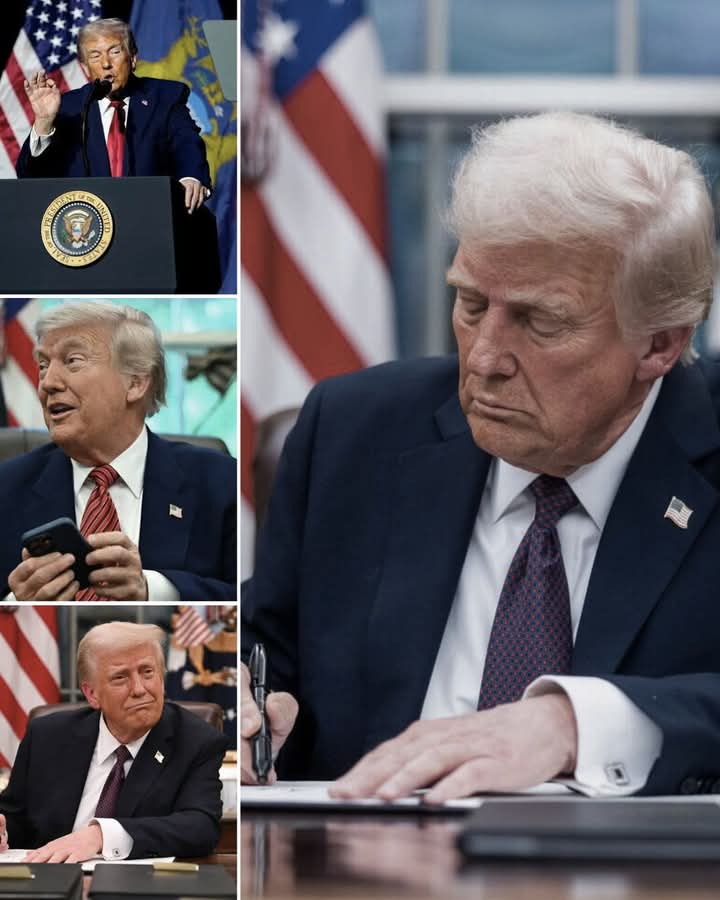
Former President Donald Trump has reignited the national debate over immigration and public safety with a forceful announcement that the federal government will stop funding sanctuary cities beginning February 1.
The declaration marks one of the strongest positions yet in his renewed push to dismantle policies that limit cooperation between local authorities and federal immigration enforcement.
Speaking bluntly, Trump accused sanctuary cities and states of **prioritizing the protection of criminals over the safety of American citizens, arguing that such policies have created environments where crime, fraud, and systemic abuse can flourish.
“Taxpayer Money Should Not Fund Failure”
At the core of Trump’s message was a familiar but sharpened argument: federal tax dollars should not support jurisdictions that, in his view, undermine national law and public safety.
“Taxpayer money should support law-abiding communities,” Trump said, “not policies that weaken public safety and reward illegal behavior.”
He described sanctuary policies as a “breeding ground for crime” claiming they allow dangerous offenders to avoid accountability while placing added strain on public resources, law enforcement, and social services.
What Sanctuary Policies Do — and Why They’re Controversial
Sanctuary cities generally limit cooperation with federal immigration authorities, particularly when it comes to detaining or transferring undocumented immigrants who are not convicted of serious crimes.
Supporters argue these policies encourage trust between immigrant communities and local police, making neighborhoods safer overall.
Critics, including Trump and his allies, counter that these policies block enforcement of federal law, allow repeat offenders to remain in communities, and create uneven application of justice across the country.
The funding cutoff aims to apply direct financial pressure, forcing states and cities to choose between maintaining sanctuary policies or risking the loss of federal support.
Supporters Applaud, Critics Warn of Fallout
Supporters of the move say it is long overdue. They argue that cutting federal funds sends a clear signal that defying federal law comes with consequences and that public safety should not be compromised for political ideology.
“Communities that cooperate with law enforcement shouldn’t be subsidizing those that refuse to,” said one conservative policy analyst.
Opponents, however, warn that the policy could hurt residents more than city leaders.
They argue that federal funding supports critical services such as transportation, housing, healthcare, and emergency response—services relied upon by citizens regardless of immigration status.
Civil rights groups also caution that the move could trigger legal challenges, as similar efforts in the past have faced resistance in federal courts.
A Familiar Fight Returns
Trump’s announcement revives a battle that defined much of his earlier presidency, but the tone this time is more uncompromising.
Rather than threatening or negotiating, the message is definitive: comply or lose funding.
The move also signals that immigration enforcement and law-and-order messaging remain central pillars of Trump’s political strategy, resonating strongly with supporters who believe border security and local cooperation are essential to national stability.
What Comes Next
With the February 1 deadline looming, sanctuary jurisdictions now face a critical decision.
Some may challenge the policy in court. Others may seek alternative funding sources or adjust their policies to preserve federal support.
Either way, Trump’s declaration ensures that immigration, federal authority, and public safety are once again at the center of America’s political conversation—drawing clear lines between competing visions of governance, law enforcement, and accountability.

ANDES STRAIN HANTAVIRUS: 3 DEAD, PASSENGERS SCATTERED — EXPERTS SLAM US FOR REPEATING COVID MISTAKES HANTAVIRUS OUTBREAK SPIRALS: SPAIN ORDERS 6-WEEK LOCKDOWN — BUT AMERICA’S LAX RESPONSE SPARKS PANIC..�

JUST BREAKING: Here’s Why Some Americans Will Receive Huge $5,108 Social Security Direct Deposits Within 10 Days

Middle East tensions continue to rise as Israel reportedly views Turkey as its next major regional challenge, with some officials referring to Ankara as “the new Iran.”

Breaking News: Missouri Supreme Court Hands Republicans a 7-1 House Map Victory for 2026 see what happens next

Elon Musk is joining President Trump on a major trip to Beijing, signaling a notable shift after the pair’s well-documented falling out in 2025.

BREAKING:Reza Pahlavi Declares Iran’s Leadership Weakening, Urges End to Islamic Republic.

VIRAL: Donald Trump’s Glamorous AI-Generated Proposal to Melania Trump Inside a Luxurious Met Gala Ballroom Has the Internet Buzzing

JUST NOW | This morning I woke up and started crying. And the reason is this photograph of JD Vance.

BREAKING : Here’s Who Will NOT Receive a Social Security Payment on Wednesday, May 13, 2026….

JUST BREAKING: Maximum Social Security Benefits for May 2026 Revealed by Retirement Age

REPORT: Elon Musk Could Join President Trump’s China Delegation — But No Official Confirmation Yet
