
NEWS
BREAKING: National Debate Erupts as Minnesota ICE Enforcement Sparks Legal, Social, and Political Backlash

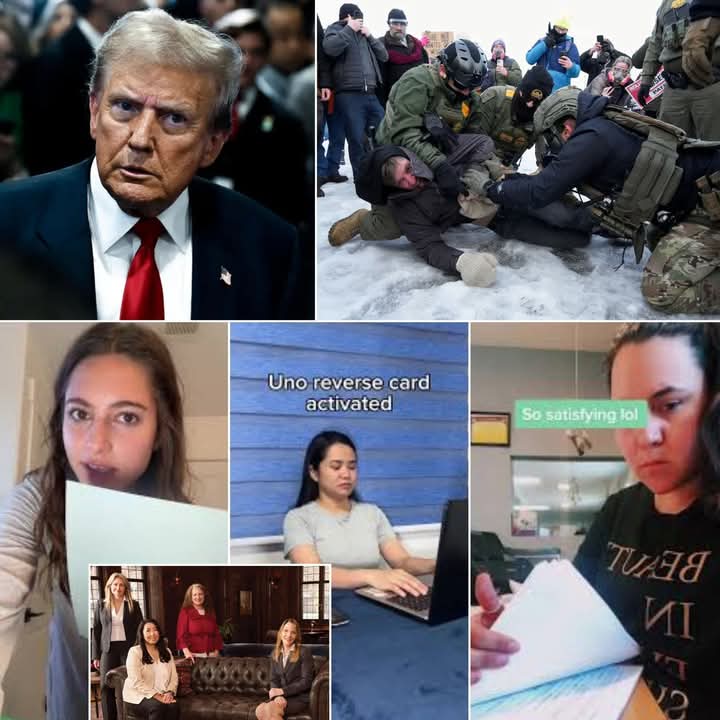
A sharp and expanding controversy continues to unfold in Minnesota following a series of highly publicized confrontations involving U.S. Immigration and Customs Enforcement (ICE) agents, legal advocacy efforts, and escalating political rhetoric.
Federal ICE Operations in Minneapolis Under Fire
The flashpoint began on January 7, 2026, when an ICE agent fatally shot 37-year-old Renee Nicole Good, a Minneapolis resident and U.S. citizen, during a large-scale federal immigration enforcement operation in the city.
Video footage circulating online showed the shooting amid a tense encounter between Good and federal agents—sparking outrage and widespread protests locally and nationally.
Good’s death has become a focal point of criticism against aggressive immigration enforcement tactics under the current administration.
The controversy deepened after federal authorities shifted investigative control of the shooting to the FBI, limiting access by Minnesota state investigators.
State officials, including Minnesota Governor Tim Walz and local prosecutors, have voiced concern that federal control could undermine transparency and accountability.
In a related incident, an ICE officer in Minneapolis was reported to have shot a Venezuelan man in the leg during enforcement activity later in January, further fueling local unrest and criticism of the federal presence.
Legal Advocacy and Public Backlash
Amid rising tensions, legal advocacy groups and law firms have moved to support affected community members.
Civil-rights organizations, including the ACLU, have filed lawsuits challenging federal enforcement actions in Minnesota as unconstitutional and alleging racial profiling and civil-liberties violations.
In Minnesota, the family of Renee Good has also retained legal counsel to pursue justice and accountability — a firm that previously secured a significant settlement in another major civil-rights case.
These legal responses reflect growing public concern over ICE’s operations and enforcement methods, especially in communities that view the tactics as heavy-handed or unjustified.
Social Media, Misinformation, and Community Strain
In the digital sphere, emotionally charged reactions to the Minnesota enforcement campaign have spread rapidly.
Viral social-media posts and videos — some alleging doxxing of federal agents or calling for personal retaliation against officials — have complicated public understanding of the situation.
Numerous outlets and civil-liberties watchdogs warn that such content can blur the line between legitimate protest and harassment or unlawful disclosures, and may exacerbate already heightened tensions.
(Important: claims about widespread doxxing campaigns targeting ICE agents’ families or statements about “Moms Against ICE” paying travel expenses have not been substantiated by reliable reporting at this time.
Political Rhetoric and National Debate
The public debate has also drawn in national political figures.
In response to escalating protests and unrest in Minneapolis, federal leaders have issued stern warnings and, according to news reports, have considered invoking strong federal authorities — such as the **Insurrection Act to respond to civil disorder.
This potential use of extraordinary federal power has alarmed civil-rights advocates and some state officials, who view it as an escalation that could further strain relations between local communities and the federal government.
Supporters of the federal response argue that robust enforcement is necessary to uphold U.S. immigration laws and protect public safety.
Critics contend that the current strategy undermines trust, disproportionately impacts marginalized communities, and neglects the need for democratic oversight and due process.
A Nation Divided Over Enforcement, Justice, and Accountability
As protests continue and the legal battles unfold, Minnesota has become a focal point of a broader national conversation about immigration enforcement, civil liberties, and the balance between federal authority and local rights.
The episode highlights how a single confrontation — compounded by emotionally charged social media narratives and divergent political interpretations — can evolve into a complex national dispute with far-reaching implications.
Officials from both sides have called for calm and legal clarity, but the debate shows no sign of abating, illustrating once again how deeply immigration and federal enforcement intersect with questions of justice, accountability, and public trust in institutional

ANDES STRAIN HANTAVIRUS: 3 DEAD, PASSENGERS SCATTERED — EXPERTS SLAM US FOR REPEATING COVID MISTAKES HANTAVIRUS OUTBREAK SPIRALS: SPAIN ORDERS 6-WEEK LOCKDOWN — BUT AMERICA’S LAX RESPONSE SPARKS PANIC..�

JUST BREAKING: Here’s Why Some Americans Will Receive Huge $5,108 Social Security Direct Deposits Within 10 Days

Middle East tensions continue to rise as Israel reportedly views Turkey as its next major regional challenge, with some officials referring to Ankara as “the new Iran.”

Breaking News: Missouri Supreme Court Hands Republicans a 7-1 House Map Victory for 2026 see what happens next

Elon Musk is joining President Trump on a major trip to Beijing, signaling a notable shift after the pair’s well-documented falling out in 2025.

BREAKING:Reza Pahlavi Declares Iran’s Leadership Weakening, Urges End to Islamic Republic.

VIRAL: Donald Trump’s Glamorous AI-Generated Proposal to Melania Trump Inside a Luxurious Met Gala Ballroom Has the Internet Buzzing

JUST NOW | This morning I woke up and started crying. And the reason is this photograph of JD Vance.

BREAKING : Here’s Who Will NOT Receive a Social Security Payment on Wednesday, May 13, 2026….

JUST BREAKING: Maximum Social Security Benefits for May 2026 Revealed by Retirement Age

REPORT: Elon Musk Could Join President Trump’s China Delegation — But No Official Confirmation Yet
