
NEWS
Just In : U.S. Weighs $6 Billion Asset Release as Opening Move in High-Stakes Iran Peace Deal

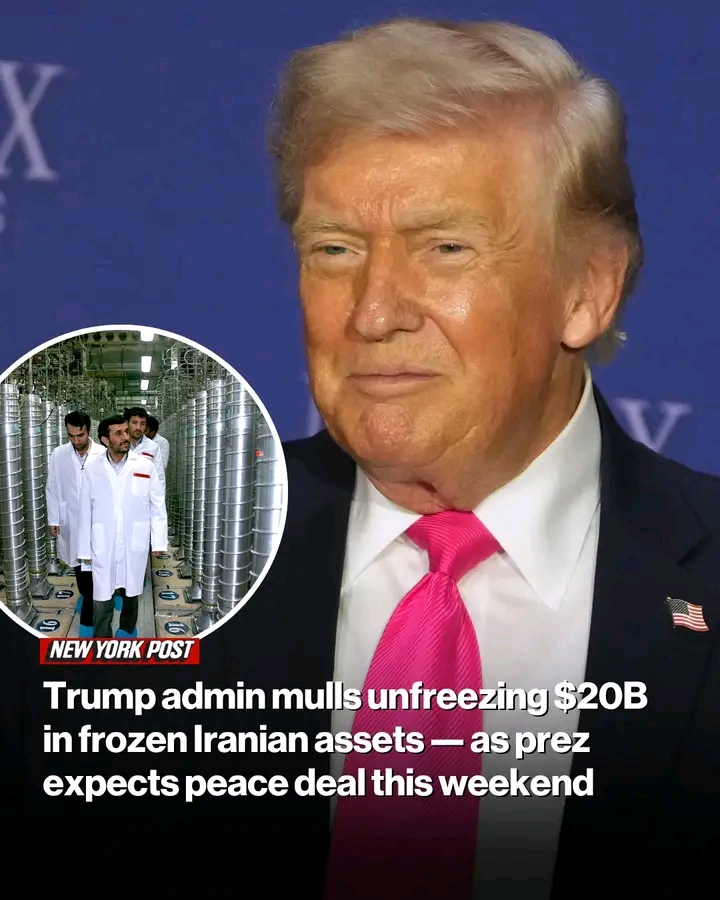
The United States is considering the release of up to $6 billion in frozen Iranian assets as part of an initial step toward a broader agreement aimed at ending the ongoing conflict with Iran, according to multiple reports and sources familiar with the negotiations.
The funds—largely held in restricted accounts in Qatar from previous oil sales—are being discussed as a potential confidence-building measure in early-stage diplomatic efforts.
The proposed release would form the first phase of a wider framework that could eventually involve significantly larger sums and deeper concessions from both sides.
Reports indicate that the $6 billion would likely be tied to strict conditions, including commitments from Iran related to regional security and nuclear activity.
In particular, discussions have centered on ensuring safe passage through the strategically vital Strait of Hormuz and addressing concerns over Iran’s enriched uranium stockpile.
The move is being framed by some negotiators as a signal of Washington’s willingness to de-escalate tensions and pursue a diplomatic resolution. Iranian officials have reportedly viewed the potential unfreezing of assets as evidence of U.S. “seriousness” in ongoing talks.
At the same time, the proposal remains uncertain. U.S. officials have publicly downplayed or denied that any final agreement has been reached, highlighting the fragile and evolving nature of the negotiations.
Beyond the initial $6 billion, a more expansive deal under discussion could involve the release of up to $20 billion in frozen funds in exchange for major Iranian concessions, including limits on nuclear enrichment or the transfer of enriched uranium stockpiles.
If successful, the agreement could mark a significant turning point in U.S.-Iran relations and help bring an end to weeks of conflict that have disrupted global energy markets and heightened geopolitical tensions.
However, key details remain unresolved, and any final deal is expected to face scrutiny both domestically and internationally.
For now, the potential release of $6 billion stands as a tentative but symbolic first step in what could become a far-reaching diplomatic breakthrough—or another stalled effort in a long history of complex negotiations between Washington and Tehran.

Just In: EMOTIONAL: Trump Shares Heartfelt Update on Ivanka’s Health, Thanks Supporters Worldwide

Breaking Trump–Pope Rift Rekindles Strain Among U.S. Catholics Rising tensions between President Donald Trump and Pope Leo XIV are once again placing many American Catholics at the crossroads of political allegiance and religious identity.

Just In : U.S. Weighs $6 Billion Asset Release as Opening Move in High-Stakes Iran Peace Deal

BREAKING: Trump Just Told CBS News Iran Has “Agreed to Everything.”

U.S. Representative Robert Menendez expressed profound alarm over President Donald Trump’s recent actions, stating that his attack on the Pope, combined with posting a Jesus-like image of himself, leaves Americans no doubt about his instability.

Breaking News: France, U.K. Welcome Hormuz Reopening but Demand Lasting Freedom of Navigation

BREAKING🚨 RFK Jr. told Congress he never said Black children on ADHD meds should be sent to “wellness farms” to be “re-parented.” There is a recording. He still denied it.

Breaking News: Social Security Payments Set for April 22, 2026 — Who Will Receive Benefits This Week

Just In: Several States May Begin Relief Payments Around April 22, 2026 — See Who Qualified

Just In: Trade Threat Backfires? Spain Moves Anyway Donald Trump warned:

Just In : A Message of Hope: Donald Trump Shares Heartfelt Words Amid Barron’s Health Concerns
