
NEWS
Hot update:In the Golden Age, We Uphold Gold Standards of Science: U.S. Updates Childhood Immunization Schedule.

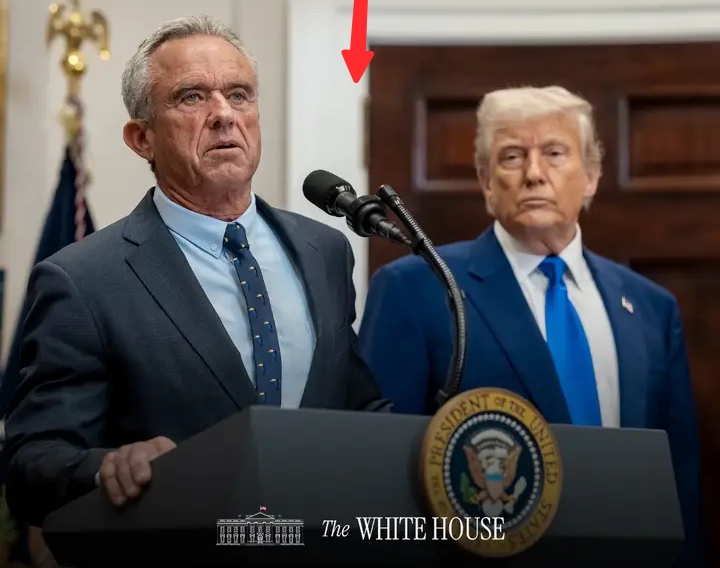
Hot update:In the Golden Age, We Uphold Gold Standards of Science: U.S. Updates Childhood Immunization Schedule.
💉
In a significant move reflecting a reassessment of national vaccine policy, the U.S. Department of Health and Human Services (HHS) and the Centers for Disease Control and Prevention (CDC) have officially updated the childhood immunization schedule following a Presidential Memorandum issued in late 2025.
Why This Matters
Childhood immunization schedules guide doctors, parents, and schools on which vaccines children should receive and when.
These schedules have long been a cornerstone of public health, credited with controlling and even eliminating once-common infectious diseases.
The updated schedule represents one of the most consequential changes in decades, aiming to strike a new balance between disease protection, parental choice, and public confidence in vaccines.
What Changed?
The CDC, under the authority of HHS Acting Director Jim O’Neill, accepted recommendations from a comprehensive scientific assessment directed by the Presidential Memorandum.
The review compared U.S. vaccine recommendations with those of 20 other developed nations and examined evidence on vaccination outcomes, uptake, and public trust.
Under the new framework:
Routine universal recommendations are maintained for vaccines that protect against the most serious diseases, such as measles, mumps, rubella, polio, pertussis, tetanus, diphtheria, pneumococcal disease, Haemophilus influenzae type B, HPV, and varicella (chickenpox).
Several vaccines that were previously recommended broadly for all children have been reclassified. Instead of full routine status, they fall into two categories:
Immunizations recommended for certain high-risk groups.
Immunizations based on shared clinical decision-making between families and healthcare providers.
The updated framework is designed to preserve access to all vaccines, with insurance coverage maintained across categories.
Examples of Reclassified Vaccines.
Under the new schedule:
Vaccines protecting against hepatitis A and hepatitis B, influenza (flu), respiratory syncytial virus (RSV), rotavirus, meningococcal disease, and COVID-19 are no longer universally recommended for all children.
Instead, these are now advised primarily through clinician-family consultation or for children at higher medical risk.
The HPV vaccine recommendation has also been adjusted, with many children eligible for a single-dose course rather than a two-dose series—reflecting international practice and evidence supporting strong protection with one dose.
Rationale: Scientific Review + Public Trust
Officials described the updated schedule as the product of an “exhaustive review” grounded in data, international comparisons, and efforts to strengthen transparency and informed consent. HHS Secretary Robert F. Kennedy Jr. said the aim was to align U.S. practices with those of peer nations while protecting children and respecting families.
The assessment found that although the U.S. historically recommended vaccines against more diseases and more total doses than many other developed countries, vaccination rates were comparable.
This suggested room for a more focused schedule that emphasizes clarity and shared decision-making.
Response and Debate
The revision has sparked a robust public and professional debate:
Supporters say:
The schedule now promotes informed choice and individualized care, encouraging meaningful discussion between clinicians and families.
Maintaining insurance coverage for all vaccines ensures access remains intact, even for those no longer universally advised.
Critics voice concerns:
Some public health experts and pediatricians warn that removing routine recommendations could reduce uptake of important vaccines and weaken disease prevention efforts.
There are fears the changes could lead to confusion among parents, reinforce vaccine hesitancy, or undermine decades of evidence-based guidance.
Many experts argue that longstanding advisory processes—especially those involving broad scientific consultation—should not be bypassed.
States, which determine school-entry vaccine requirements, may also vary in how they adopt or interpret the updated guidance.
Looking Ahead
While all existing vaccines remain available and covered by insurance, the emphasis on shared decision-making signals a shift in public health practice.
Officials say this approach aims to rebuild trust and encourage vaccination through dialogue rather than mandate.
As with any major policy change in health care, the full impact of the updated childhood immunization schedule will play out over time—shaping not just clinical practice but public perception of vaccines in a new era.

JUST BREAKING: Some Retirees to Receive Over $5,000 Monthly in Social Security by 2026 — Eligibility Criteria Revealed

¡Esta es la extraordinaria valentía de Irán 🇮🇷! 🔥 9:00 am: “Toda una civilización terminará esta noche”, dijo Trump. 9:10 a. m.: La gente común de Irán ha formado una cadena humana en el puente blanco. 🔥🔥 Si no tienen miedo a morir, no pueden ser derrotados. ¡Qué coraje increíble! 🔥

Pro-Iranian accounts on Twitter are flooding the platform tonight with AI-generated videos mocking Trump, including one showing him stepping off Air Force One waving a white flag after announcing a ceasefire deal critics say was so bad he appeared to negotiate with himself.

A major political shockwave just hit Washington as 24 members of Congress declare an EMERGENCY and demand the UNPRECEDENTED removal of President Trump from office.

BREAKING: Trump’s Shocking Revelation Sparks Viral Frenzy and Raises Questions About His Political Future

Is “getting the job done” more important than having a “nice” president?

Just In :Trump Sends Clear Message to Iran as B-52 Bombers Lift Off from UK Bases. See what happens next

Breaking News:Trump Suspends Planned U.S. Strikes on Iran for Two Weeks Amid Diplomatic Push. Full details here
Today I witnessed something because of Trump that I will never forget for the rest of my life. And that is exactly why I want to show you Trump’s real face today. Click here for full details

At a Monday press conference, Trump brought up past comments by North Korea’s Kim Jong Un about Joe Biden while discussing US troop deployment in South Korea.

Breaking Claim Sparks Concern: Viral Report Alleges Attack on U.S. Warships Near Strait of Hormuz. See what happens next
