
NEWS
Hot update: White House Deflects Question on Russian Submarine, Highlights Sanctioned Venezuelan Oil Tanker

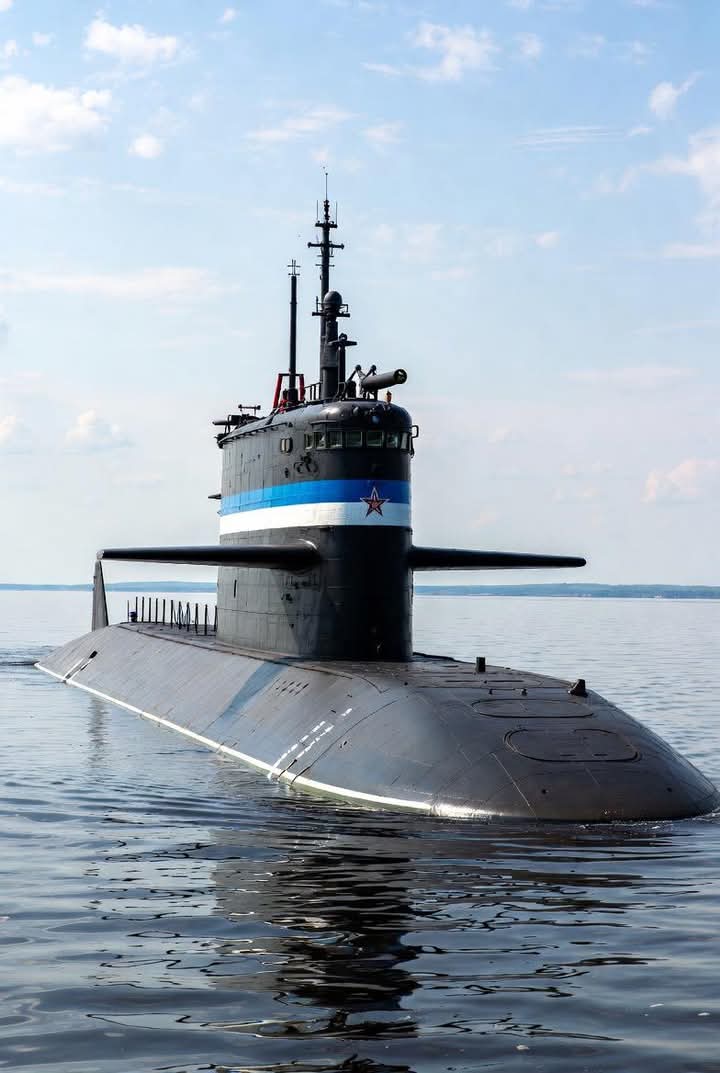
The White House on Monday shifted focus from concerns about Russian naval activity after a question was raised regarding reports of a Russian submarine tracking the Bella I oil tanker.
Instead of addressing the alleged submarine operation directly, Press Secretary Karoline Leavitt emphasized that the vessel in question was part of Venezuela’s so-called “shadow fleet” and subject to U.S. sanctions.
During a press briefing, Leavitt was asked about reports suggesting a Russian submarine had been following the Bella I, an oil tanker operating in international waters.
Rather than confirming or denying the reports, Leavitt pivoted to the tanker’s legal status, describing it as a Venezuelan shadow fleet vessel used to circumvent international sanctions on Caracas’s oil exports.
“The Bella I is a sanctioned vessel operating as part of Venezuela’s shadow fleet,” Leavitt said.
“Any individuals involved in facilitating or operating these activities are subject to prosecution under U.S. law.”
The term “shadow fleet” refers to a network of aging oil tankers that operate under opaque ownership structures, often with disabled tracking systems, to transport sanctioned oil to global markets.
Such fleets have increasingly been used by countries under Western sanctions, including Venezuela, Russia, and Iran, to evade enforcement and maintain revenue streams from energy exports.
Leavitt’s comments underscore the administration’s emphasis on sanctions enforcement amid growing concerns about maritime security and geopolitical tensions.
By highlighting the tanker’s sanctioned status, the White House appeared to frame the incident as a law enforcement and sanctions issue rather than a military escalation involving Russian naval assets.
The press secretary did not address whether U.S. intelligence had confirmed the presence of a Russian submarine or whether the United States viewed the reported activity as a threat.
Her response suggests a deliberate effort to avoid amplifying speculation about Russian military movements while reinforcing Washington’s stance on illicit oil trading.
Analysts note that the intersection of sanctioned shipping and great-power competition has become an increasingly sensitive issue.
The use of shadow fleets not only undermines sanctions regimes but also raises risks of environmental damage, maritime accidents, and security incidents due to the vessels’ age and lack of transparency.
The administration has previously warned that crews, operators, insurers, and financial intermediaries connected to sanctioned vessels could face criminal charges, asset seizures, or secondary sanctions.
Leavitt reiterated that point, signaling that enforcement actions could extend beyond ship owners to include those who facilitate or profit from such operations.
While questions remain about the alleged Russian submarine activity, the White House’s response highlights a broader strategic priority: maintaining pressure on sanctioned regimes and curbing the use of covert shipping networks that challenge international norms.
Whether the administration will address the military dimension of the reports in greater detail remains to be seen, but for now, officials appear focused on the legal and economic implications of the tanker’s operations rather than the geopolitical drama surrounding it.

JUST BREAKING: Some Retirees to Receive Over $5,000 Monthly in Social Security by 2026 — Eligibility Criteria Revealed

¡Esta es la extraordinaria valentía de Irán 🇮🇷! 🔥 9:00 am: “Toda una civilización terminará esta noche”, dijo Trump. 9:10 a. m.: La gente común de Irán ha formado una cadena humana en el puente blanco. 🔥🔥 Si no tienen miedo a morir, no pueden ser derrotados. ¡Qué coraje increíble! 🔥

Pro-Iranian accounts on Twitter are flooding the platform tonight with AI-generated videos mocking Trump, including one showing him stepping off Air Force One waving a white flag after announcing a ceasefire deal critics say was so bad he appeared to negotiate with himself.

A major political shockwave just hit Washington as 24 members of Congress declare an EMERGENCY and demand the UNPRECEDENTED removal of President Trump from office.

BREAKING: Trump’s Shocking Revelation Sparks Viral Frenzy and Raises Questions About His Political Future

Is “getting the job done” more important than having a “nice” president?

Just In :Trump Sends Clear Message to Iran as B-52 Bombers Lift Off from UK Bases. See what happens next

Breaking News:Trump Suspends Planned U.S. Strikes on Iran for Two Weeks Amid Diplomatic Push. Full details here
Today I witnessed something because of Trump that I will never forget for the rest of my life. And that is exactly why I want to show you Trump’s real face today. Click here for full details

At a Monday press conference, Trump brought up past comments by North Korea’s Kim Jong Un about Joe Biden while discussing US troop deployment in South Korea.

Breaking Claim Sparks Concern: Viral Report Alleges Attack on U.S. Warships Near Strait of Hormuz. See what happens next
