
NEWS
Marjorie Taylor Greene Breaks Ranks With Trump Over Venezuela Policy

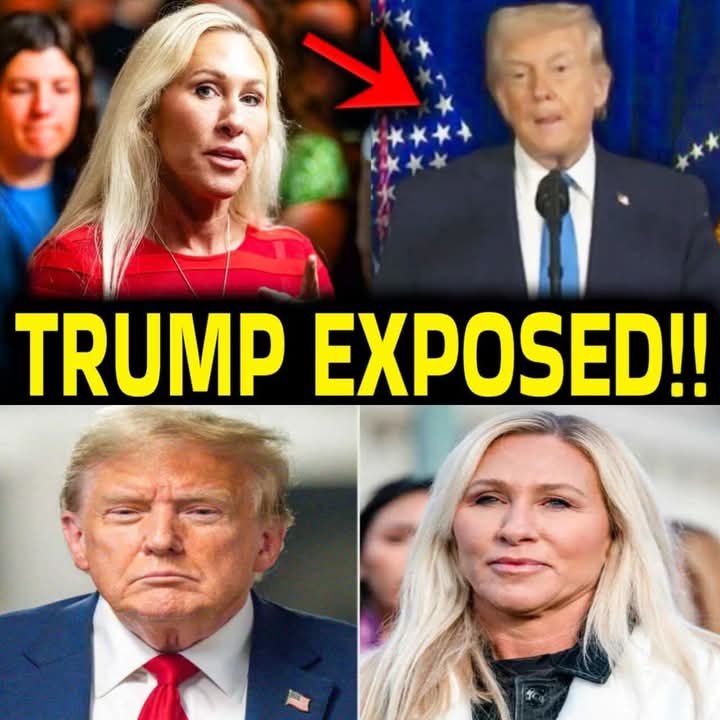
Marjorie Taylor Greene Breaks Ranks With Trump Over Venezuela Policy
In a rare and unexpected moment of political crossover, Republican Congresswoman Marjorie Taylor Greene has publicly criticized former President Donald Trump’s alleged actions and policies regarding Venezuela—drawing agreement from voices on both sides of the aisle.
Greene, known for her staunch loyalty to Trump and her hardline conservative positions, questioned what she described as a U.S. operation aimed at Venezuela, arguing that it reflects a broader pattern of foreign intervention that does little to help everyday Americans. Her comments have sparked widespread debate, particularly because similar concerns have also been raised by Democratic Congressman Seth Moulton.
At the heart of the criticism is a simple question: How does U.S. involvement in Venezuela benefit American families?** Greene argued that foreign interventions do not reduce grocery prices, fix the housing crisis, or improve wages.
Instead, she suggested, they divert taxpayer money overseas while domestic problems remain unresolved.
Questioning the Drug War Justification
One of Greene’s sharpest critiques focused on the justification that U.S. actions in Venezuela are tied to combating drug trafficking.
She questioned why, if narcotics enforcement were truly the priority, similar actions have not been taken against powerful Mexican drug cartels.
She also pointed to past decisions—such as the pardon of a former Honduran president convicted on drug trafficking charges—as evidence of inconsistency in U.S. policy.
These contradictions, Greene argued, weaken the credibility of the government’s stated motives and suggest that broader geopolitical goals may be at play.
A Dangerous Global Precedent?
Another key concern raised was the issue of international precedent.
Greene warned that if the United States claims the right to intervene in another country or remove its leadership, it undermines its ability to criticize similar actions by global rivals such as Russia or China.
“You can’t condemn these actions abroad while practicing them yourself,” is the essence of her argument—a point that resonates with critics of long-running U.S. interventionist foreign policy.
Rare Bipartisan Agreement
What has drawn the most attention is not just Greene’s remarks, but the fact that Democrats like Seth Moulton have echoed similar sentiments.
While they differ sharply on most issues, both sides appear aligned in questioning endless foreign entanglements and regime-change strategies that offer little tangible benefit to Americans at home.
A Growing Debate
Whether one agrees with Greene or not, her comments have reignited a broader conversation about U.S. foreign policy priorities, military intervention, and the cost of overseas operations during a time of economic strain for many Americans.
When politicians who rarely agree find common ground, it often signals a shift worth paying attention to.
The debate over Venezuela may be less about partisan politics—and more about how the United States defines its role in

JUST BREAKING: Some Retirees to Receive Over $5,000 Monthly in Social Security by 2026 — Eligibility Criteria Revealed

¡Esta es la extraordinaria valentía de Irán 🇮🇷! 🔥 9:00 am: “Toda una civilización terminará esta noche”, dijo Trump. 9:10 a. m.: La gente común de Irán ha formado una cadena humana en el puente blanco. 🔥🔥 Si no tienen miedo a morir, no pueden ser derrotados. ¡Qué coraje increíble! 🔥

Pro-Iranian accounts on Twitter are flooding the platform tonight with AI-generated videos mocking Trump, including one showing him stepping off Air Force One waving a white flag after announcing a ceasefire deal critics say was so bad he appeared to negotiate with himself.

A major political shockwave just hit Washington as 24 members of Congress declare an EMERGENCY and demand the UNPRECEDENTED removal of President Trump from office.

BREAKING: Trump’s Shocking Revelation Sparks Viral Frenzy and Raises Questions About His Political Future

Is “getting the job done” more important than having a “nice” president?

Just In :Trump Sends Clear Message to Iran as B-52 Bombers Lift Off from UK Bases. See what happens next

Breaking News:Trump Suspends Planned U.S. Strikes on Iran for Two Weeks Amid Diplomatic Push. Full details here
Today I witnessed something because of Trump that I will never forget for the rest of my life. And that is exactly why I want to show you Trump’s real face today. Click here for full details

At a Monday press conference, Trump brought up past comments by North Korea’s Kim Jong Un about Joe Biden while discussing US troop deployment in South Korea.

Breaking Claim Sparks Concern: Viral Report Alleges Attack on U.S. Warships Near Strait of Hormuz. See what happens next
