
NEWS
“No Trump, No January 6”

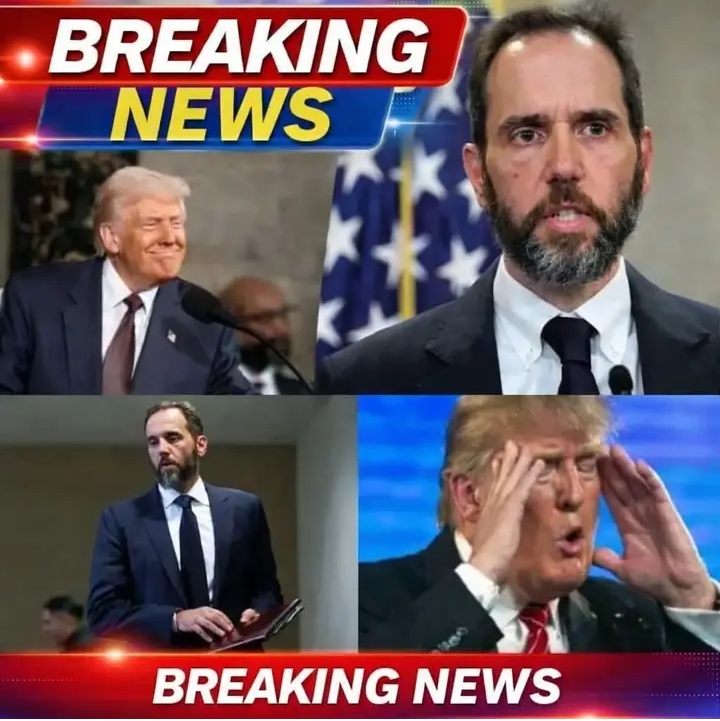
Hot update: The events of January 6, 2021, marked one of the most troubling days in modern American democracy.
A violent mob stormed the United States Capitol in an attempt to stop the certification of the 2020 presidential election.
At the center of nearly every discussion about that day stands one unavoidable conclusion: **no Donald Trump, no January 6.**
This statement does not suggest that Donald Trump acted alone, nor does it deny that many individuals made their own choices.
However, it recognizes the powerful role leadership, rhetoric, and influence play in shaping public behavior—especially when coming from a sitting president.
The Power of the Presidency
The President of the United States holds immense influence.
Words spoken from that office carry authority and legitimacy in the eyes of supporters. After losing the 2020 election, Donald Trump repeatedly claimed—without evidence—that the election had been “stolen.”
These claims were rejected by courts, election officials, and even members of his own administration, yet they were repeated relentlessly.
Over time, these false claims convinced millions of supporters that democracy itself was under attack.
When trust in elections is undermined by a national leader, the consequences can be severe.
The Road to January 6
January 6 did not happen suddenly. It was the result of weeks of escalating rhetoric, misinformation, and encouragement.
Trump urged supporters to come to Washington, D.C., calling the day “wild.”
At a rally just before the Capitol was breached, he repeated claims of election fraud and told the crowd to “fight like hell.”
For many in attendance, these words were interpreted as a call to action.
The result was chaos: lawmakers forced to flee, lives lost, and a historic institution violated.
Responsibility and Accountability
Saying “No Trump, No January 6” does not mean every supporter is guilty, nor does it erase individual responsibility for criminal actions.
Rather, it acknowledges that leadership matters. When a leader spreads falsehoods, rejects democratic outcomes, and directs anger toward institutions, those actions have real-world consequences.
Numerous investigations, court rulings, and bipartisan statements have concluded that Trump played a central role in provoking the events of that day.
Without his persistent refusal to accept the election results, the conditions that led to January 6 would not have existed.
### A Lesson for Democracy
January 6 serves as a warning—not just about one man, but about the dangers of disinformation, political extremism, and blind loyalty.
Democracies depend on peaceful transfers of power, respect for facts, and leaders who place the country above personal ambition.
The phrase “No Trump, No January 6” is ultimately a reminder that democracy is fragile.
It survives not only through laws and institutions, but through responsible leadership and an informed public willing to defend truth over lies.
Conclusion
January 6 will remain a defining moment in American history. While many factors contributed, the evidence is clear: without Donald Trump’s actions, words, and refusal to accept electoral defeat, the attack on the Capitol would not have occurred.
Understanding this is not about partisanship—it is about accountability, truth, and protecting democracy for the future.

JUST BREAKING: Some Retirees to Receive Over $5,000 Monthly in Social Security by 2026 — Eligibility Criteria Revealed

¡Esta es la extraordinaria valentía de Irán 🇮🇷! 🔥 9:00 am: “Toda una civilización terminará esta noche”, dijo Trump. 9:10 a. m.: La gente común de Irán ha formado una cadena humana en el puente blanco. 🔥🔥 Si no tienen miedo a morir, no pueden ser derrotados. ¡Qué coraje increíble! 🔥

Pro-Iranian accounts on Twitter are flooding the platform tonight with AI-generated videos mocking Trump, including one showing him stepping off Air Force One waving a white flag after announcing a ceasefire deal critics say was so bad he appeared to negotiate with himself.

A major political shockwave just hit Washington as 24 members of Congress declare an EMERGENCY and demand the UNPRECEDENTED removal of President Trump from office.

BREAKING: Trump’s Shocking Revelation Sparks Viral Frenzy and Raises Questions About His Political Future

Is “getting the job done” more important than having a “nice” president?

Just In :Trump Sends Clear Message to Iran as B-52 Bombers Lift Off from UK Bases. See what happens next

Breaking News:Trump Suspends Planned U.S. Strikes on Iran for Two Weeks Amid Diplomatic Push. Full details here
Today I witnessed something because of Trump that I will never forget for the rest of my life. And that is exactly why I want to show you Trump’s real face today. Click here for full details

At a Monday press conference, Trump brought up past comments by North Korea’s Kim Jong Un about Joe Biden while discussing US troop deployment in South Korea.

Breaking Claim Sparks Concern: Viral Report Alleges Attack on U.S. Warships Near Strait of Hormuz. See what happens next
