
NEWS
Presidential Payday: How Joe Biden’s Lifetime of Public Service Translates Into a Large Federal Pension

Presidential Payday: How Joe Biden’s Lifetime of Public Service Translates Into a Large Federal Pension
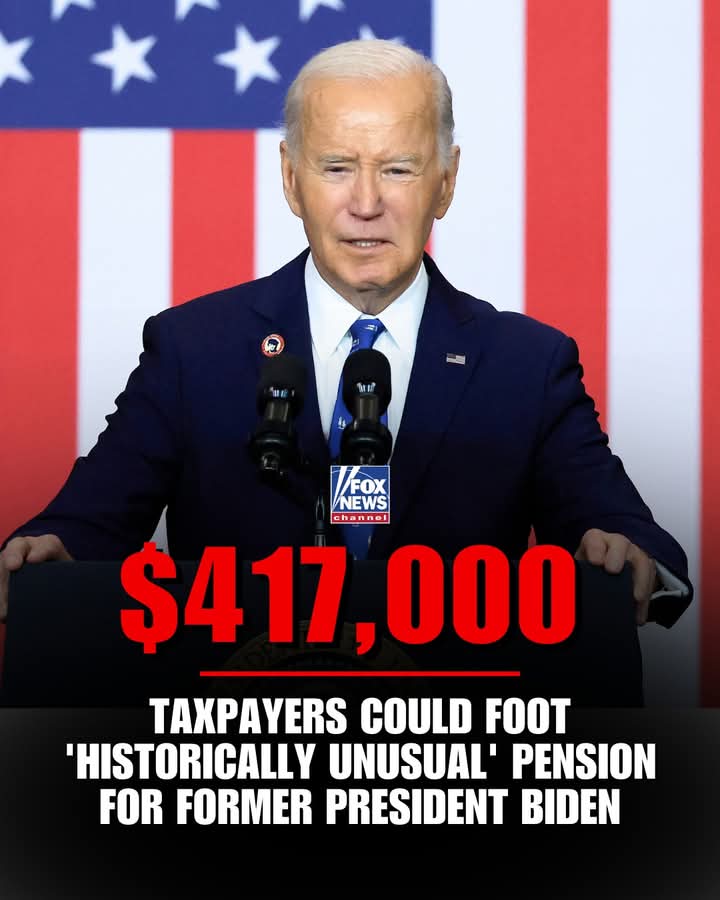
Former President Joe Biden is set to receive one of the most substantial post-presidency compensation packages in U.S. history, with estimates suggesting his taxpayer-funded retirement benefits could reach as much as $417,000 per year a figure that may exceed what he earned annually while serving in the Oval Office.
The headline number has sparked debate online, but the explanation lies not in a single payout, rather in decades of accumulated federal service stretching back to the early 1970s.
A Career That Spanned Half a Century
Joe Biden’s federal career began in *1973, when he was sworn in as one of the youngest U.S. senators in history. From there, he went on to serve:
*36 years as a U.S. Senator
* 8 years as Vice President
* 4 years as President of the United States
That half-century of service places Biden in a unique category—few modern presidents entered office with such an extensive federal résumé.
Why the Pension Is So Large
Unlike presidential salaries, which are capped at $400,000 per year, retirement benefits are calculated differently and can be stacked across eligible federal roles, subject to program rules and limits.
Biden’s post-presidency income may include:
* A federal pension** tied to his Senate service
* Additional retirement benefits related to executive service
* Presidential perks such as staff allowances, office funding, travel support, and Secret Service protection (though not all are direct cash payments)
When combined, these benefits can produce an annual total that rivals—or surpasses—a sitting president’s salary.
Legal, Earned, and Not Automatic
It’s important to note:
* These benefits are legal and earned under existing federal law
* They are not unique to Biden though his long tenure makes his total unusually high
* Final pension amounts can vary depending on elections made at retirement, benefit formulas, and offsets
Supporters argue the compensation reflects decades of public service, while critics question whether such lifetime benefits are appropriate at a time of rising national debt and economic pressure on ordinary Americans.
A Broader Debate About Public Service Compensation
Biden’s projected pension has reignited a familiar national conversation:
Should long-serving federal officials receive retirement packages that exceed the salaries of the offices they once held?
Advocates say generous pensions help attract experienced leaders and reduce corruption by ensuring financial security after office.
Critics counter that the system feels disconnected from the economic realities facing most taxpayers.
The Bottom Line
Joe Biden’s potential $417,000 annual retirement package is less about presidential privilege and more about **longevity in federal service.
It reflects how U.S. retirement systems reward long-term government careers—especially those that span multiple branches and decades.
Whether viewed as deserved compensation or an example of government excess, the figure underscores one reality: in American politics, time served can be just as valuable as titles held.

JUST BREAKING: Some Retirees to Receive Over $5,000 Monthly in Social Security by 2026 — Eligibility Criteria Revealed

¡Esta es la extraordinaria valentía de Irán 🇮🇷! 🔥 9:00 am: “Toda una civilización terminará esta noche”, dijo Trump. 9:10 a. m.: La gente común de Irán ha formado una cadena humana en el puente blanco. 🔥🔥 Si no tienen miedo a morir, no pueden ser derrotados. ¡Qué coraje increíble! 🔥

Pro-Iranian accounts on Twitter are flooding the platform tonight with AI-generated videos mocking Trump, including one showing him stepping off Air Force One waving a white flag after announcing a ceasefire deal critics say was so bad he appeared to negotiate with himself.

A major political shockwave just hit Washington as 24 members of Congress declare an EMERGENCY and demand the UNPRECEDENTED removal of President Trump from office.

BREAKING: Trump’s Shocking Revelation Sparks Viral Frenzy and Raises Questions About His Political Future

Is “getting the job done” more important than having a “nice” president?

Just In :Trump Sends Clear Message to Iran as B-52 Bombers Lift Off from UK Bases. See what happens next

Breaking News:Trump Suspends Planned U.S. Strikes on Iran for Two Weeks Amid Diplomatic Push. Full details here
Today I witnessed something because of Trump that I will never forget for the rest of my life. And that is exactly why I want to show you Trump’s real face today. Click here for full details

At a Monday press conference, Trump brought up past comments by North Korea’s Kim Jong Un about Joe Biden while discussing US troop deployment in South Korea.

Breaking Claim Sparks Concern: Viral Report Alleges Attack on U.S. Warships Near Strait of Hormuz. See what happens next
