
NEWS
We’re Not Afraid”: Trump Signals Willingness for U.S. Ground Presence in Venezuela

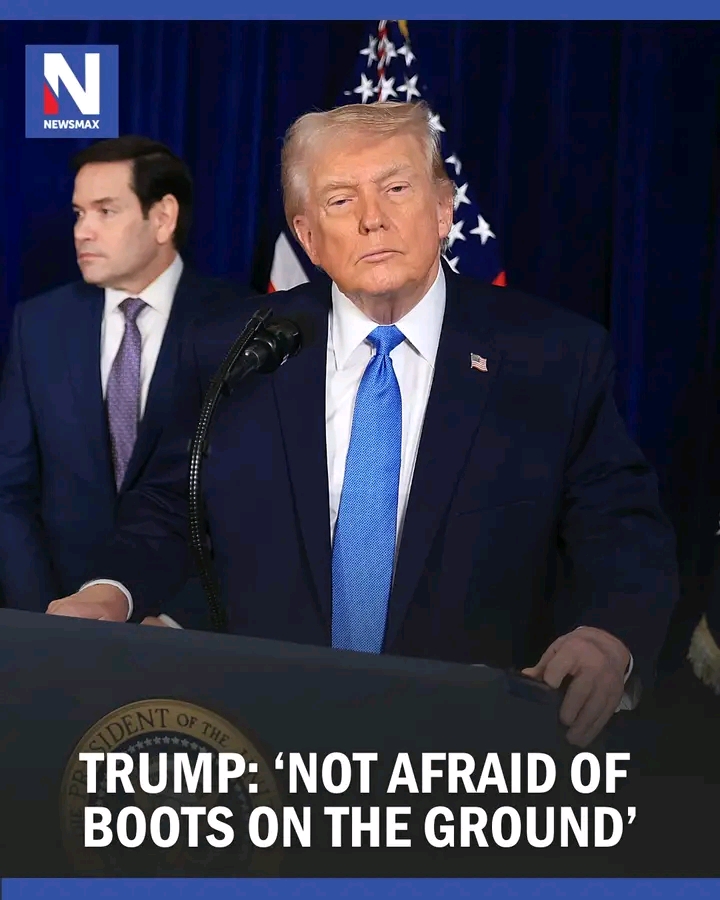
“We’re Not Afraid”: Trump Signals Willingness for U.S. Ground Presence in Venezuela
In one of the most consequential foreign policy moves of his administration, former U.S. President Donald J. Trump declared that the United States is “not afraid of boots on the ground” in Venezuela—suggesting that American forces could remain prepared for further action to maintain order after the dramatic operation that resulted in the capture of Venezuelan leader Nicolás Maduro.
Speaking at a press conference at Mar-a-Lago following the unprecedented military mission, Trump was asked whether U.S. troops would deploy on Venezuelan soil in the aftermath of the raid.
Though declining to outline specific troop numbers, he left the door open for a sustained or conditional presence.
“We’re not afraid of it,” Trump said, emphasizing the U.S. intent to ensure that Venezuela is “run properly.”
The remarks underline a stark shift from recent U.S. foreign policy rhetoric. While Trump’s administration previously avoided entangling ground wars, his comments signal a readiness to consider deeper involvement should circumstances require it.
A Bold Military Operation and Its Aftermath
The operation—dubbed Operation Absolute Resolve—involved a sophisticated coordinated strike by U.S. military forces deep inside Venezuela.
Maduro and his wife were apprehended and transported to New York, where they are expected to face legal proceedings.
Trump described the mission as “very dangerous” and capable of resulting in significant American casualties had it gone differently.
He underscored that U.S. forces were “ready to go again if we have to,” suggesting that further actions remain possible depending on changing conditions in Caracas.
Managing Venezuela and Regional Control
Beyond the immediate military component, Trump outlined broader policy goals for U.S. involvement in Venezuela.
He indicated that the United States would effectively take responsibility for running the country until a reliable transition of power and stability could be achieved.
Trump framed this as part of restoring order and unlocking Venezuela’s vast oil resources—with American companies poised to play a significant role.
This rhetoric—bluntly referring to potential troop deployments and long-term oversight—has drawn sharp reactions internationally.
Global and Regional Reactions
Criticism has emerged from multiple quarters. Russian political leaders denounced the strike as *illegal and destabilizing, asserting it threatens international norms and could prompt broader geopolitical tensions.
Meanwhile, analysts and columnists have warned that U.S. involvement in Venezuela risks repeating historical patterns of intervention that can lead to prolonged instability or insurgency, particularly if local resistance grows.
Political and Legal Questions at Home
Domestically, Trump’s posture has stirred debate about constitutional limits on presidential military action.
Critics argue that the intervention was undertaken without explicit congressional authorization, raising questions about the legal basis for both the operation and any ongoing U.S. presence.
Supporters counter that decisive action was necessary to remove a leader they described as corrupt and destabilizing, with potential benefits for hemispheric security and energy markets.
What Comes Next
The situation remains fluid.
Trump’s comments make clear that while the initial military phase has succeeded in deposing Maduro, the broader challenge of governance, security, and political transition in Venezuela continues.
Whether U.S. forces will stay longer, act as stabilizers, or eventually withdraw hinges on developments on the ground and shifts in diplomatic and regional responses.
One thing, Trump emphasized, is that Washington will not shy away from using force if necessary—a message that could have implications far beyond Venezuela’s borders.
Trump: ‘Not Afraid of Boots on the Ground’
“Trump says U.S. will run Venezuela,
won’t rule out U.S. boots on the ground”
[3

JUST BREAKING: Some Retirees to Receive Over $5,000 Monthly in Social Security by 2026 — Eligibility Criteria Revealed

¡Esta es la extraordinaria valentía de Irán 🇮🇷! 🔥 9:00 am: “Toda una civilización terminará esta noche”, dijo Trump. 9:10 a. m.: La gente común de Irán ha formado una cadena humana en el puente blanco. 🔥🔥 Si no tienen miedo a morir, no pueden ser derrotados. ¡Qué coraje increíble! 🔥

Pro-Iranian accounts on Twitter are flooding the platform tonight with AI-generated videos mocking Trump, including one showing him stepping off Air Force One waving a white flag after announcing a ceasefire deal critics say was so bad he appeared to negotiate with himself.

A major political shockwave just hit Washington as 24 members of Congress declare an EMERGENCY and demand the UNPRECEDENTED removal of President Trump from office.

BREAKING: Trump’s Shocking Revelation Sparks Viral Frenzy and Raises Questions About His Political Future

Is “getting the job done” more important than having a “nice” president?

Just In :Trump Sends Clear Message to Iran as B-52 Bombers Lift Off from UK Bases. See what happens next

Breaking News:Trump Suspends Planned U.S. Strikes on Iran for Two Weeks Amid Diplomatic Push. Full details here
Today I witnessed something because of Trump that I will never forget for the rest of my life. And that is exactly why I want to show you Trump’s real face today. Click here for full details

At a Monday press conference, Trump brought up past comments by North Korea’s Kim Jong Un about Joe Biden while discussing US troop deployment in South Korea.

Breaking Claim Sparks Concern: Viral Report Alleges Attack on U.S. Warships Near Strait of Hormuz. See what happens next
