
NEWS
– World on Edge as U.S. and Israel Kill Iran’s Supreme Leader in Major Military Strike — Global Reactions, Retaliation and Uncertainty Grow

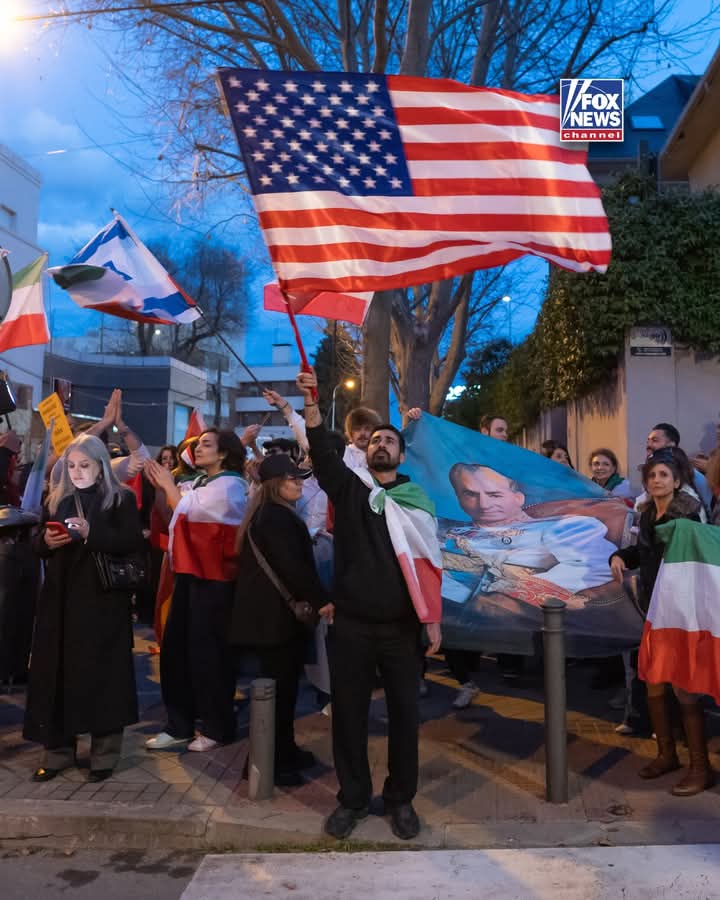
In a dramatic and unprecedented escalation of the long-running tensions between Tehran, Washington, and Jerusalem, Iran’s Supreme Leader, Ayatollah Ali Khamenei, has been confirmed killed in a joint military operation by the United States and Israel.
Iranian state media announced his death on March 1, 2026, a day after the strikes began.
The campaign, described by U.S. and Israeli officials as a concerted effort to degrade Iran’s nuclear and military infrastructure, involved extensive air and missile strikes across multiple Iranian cities, including Tehran.
President Donald Trump and Israeli Prime Minister Benjamin Netanyahu publicly confirmed Khamenei’s death, framing it as a blow to a regime they have long accused of supporting terrorism and pursuing nuclear weapons.
The death of the 86-year-old cleric — who had led the Islamic Republic since 1989 and wielded ultimate authority over Iran’s government, military, and judiciary — marks one of the most consequential moments in Middle East geopolitics in decades.
Iran has declared a 40-day mourning period and termed the killing a “great crime,” while its newly empowered leaders have vowed revenge and retaliation.
Within Iran, state and Revolutionary Guard channels have condemned the strikes and reported ongoing bombardment and missile exchanges.
The Islamic Revolutionary Guard Corps (IRGC) has announced “counter-strikes” targeting U.S. and Israeli military positions around the region, with explosions reported in several Gulf countries and heightened alerts across Middle Eastern capitals.
International reactions have been sharply divided.
Some Western leaders expressed hope that the removal of a hardline figure could open space for change in Iran, while Russia, China, and several Muslim-majority states condemned the strikes as violations of sovereignty that risk broader conflict.
The United Nations Security Council has called emergency sessions amid fears of a larger regional war.
Global markets and oil prices reacted to the uncertainty, with investors bracing for ripple effects on energy supplies and geopolitical risk.
Analysts warn that the power vacuum inside Iran could fuel internal strife and empower hardline elements, even as opposition voices within the country see the moment as an opportunity for political transformation.
As of now, the situation remains fluid. Diplomatic efforts are under way to prevent a full-scale war, but threats of further retaliation and mutual escalation persist.

News Update: Social Security Payments Scheduled for March 25, 2026 — Who Qualifies and What to Expect

BREAKING: President Trump just ended the Cabinet meeting with a VERY bad warning for useless American “allies”

JUST IN: Donald Trump said Iran has formally agreed they will never have a Nuclear Weapon.

Trump is defunding the TSA until Congress restricts vote by mail.

NEWS POLL: President Trump’s approval rating dipped to 41% in March, and 59% of registered voters now disapprove of him — the highest disapproval of either of his terms.

Speaker Mike Johnson has the right idea. While hardworking Americans endure endless TSA lines stretching through airport terminals, the vote tally poster should be enlarged and displayed prominently in every single one.

Breaking News: Senator Cory Booker just let the truth slip out. While railing against the SAVE America Act, he warned that requiring proof of U.S. citizenship for federal voter registration would shrink the voter rolls by 5 to 10 percent.

Just In : Trump HUMILIATED as Security Guards DRAG Him Out of Mueller Funeral Live On Camera. see what happens next

Breaking News: Trump Drops Hammer on Iran: 15 Non-Negotiable Demands to End the Middle East Mess see the full details

Breaking News: Fox News Reports Update Involving Former President Joe Biden

BREAKING: Trump Reportedly Fell While Boarding Air Force One as Doctor Allegedly Hints at a Hidden Diagnosis “HE HAS FALLEN AGAIN!”click here to see what happens next
