
NEWS
Just In: Vice President Vance Defends ICE Officer in Minneapolis Shooting, Sparks National Backlash

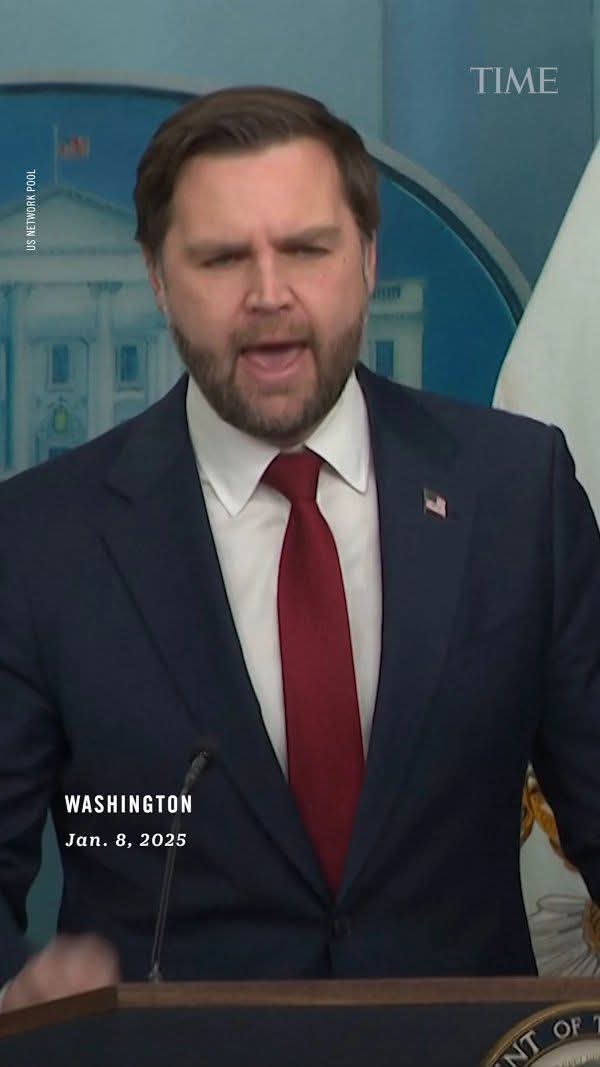
News:Vice President J.D. Vance ignited fresh controversy on Thursday after delivering a vigorous public defense of an ICE officer involved in the fatal shooting of a woman in Minneapolis, placing responsibility not on law enforcement but on what he described as “left-wing activists” who, he claimed, fueled the circumstances that led to her death.
The remarks, delivered amid ongoing investigations and public mourning, immediately intensified an already volatile national debate over immigration enforcement, protest movements, and accountability in officer-involved shootings.
Vance’s Argument
Speaking to reporters, Vance argued that the ICE officer acted under extreme pressure, portraying the environment surrounding immigration enforcement as hostile and dangerous.
He asserted that activist rhetoric and protests have created conditions that escalate routine operations into life-threatening encounters, ultimately placing both officers and civilians at risk.
According to Vance, the blame lies not with the individual officer, but with broader political movements that, in his words, “weaponize outrage” and encourage confrontation with federal authorities.
The Incident and Ongoing Investigations
The shooting, which occurred during an ICE-related operation in Minneapolis, resulted in the death of a woman whose identity has been publicly confirmed.
Federal authorities have stated that the incident is under investigation, with reviews expected to examine body-camera footage, use-of-force protocols, and the sequence of events leading up to the fatal shot.
Local officials and civil rights advocates have emphasized that no conclusions should be drawn until investigations are complete urging restraint from political leaders on all sides.
Public Reaction and Criticism
Vance’s comments were met with swift backlash from Democrats, community leaders, and advocacy groups, who accused him of deflecting responsibility and politicizing a tragedy.
Critics argue that blaming activists shifts focus away from questions of training, accountability, and whether deadly force was justified.
“This is a grieving family and a grieving community,” said one civil rights attorney.
“Assigning political blame before facts are established only deepens divisions and undermines trust.”
Supporters of Vance, however, praised his remarks as a rare show of solidarity with law enforcement officers operating under intense scrutiny and pressure.
A Broader National Debate
The episode highlights a recurring fault line in American politics: how to balance aggressive enforcement policies with public accountability and civil liberties.
It also underscores how quickly individual incidents can become symbols in broader ideological conflicts over immigration, policing, and protest movements.
Experts warn that rhetoric from top officials can have real-world consequences.
“When leaders frame tragedies through partisan lenses, it shapes public perception long before investigations conclude,” noted a former federal prosecutor.
What Comes Next
As investigations continue, calls are growing for transparency and independent review.
Minneapolis officials have promised cooperation with federal authorities, while advocacy groups are demanding the release of all relevant evidence.
For now, the vice president’s remarks have ensured that the case will remain not only a legal matter, but a flashpoint in the national political conversation one that raises difficult questions about responsibility, rhetoric, and the role of leadership in moments of loss.

Breaking News: Trump Meets Oil and Gas Executives as Iran War Fuels Global Energy Concerns

JUST IN | I swear to my Parents— I did not expect Trump and the King of England to end up like this by the end of yesterday —see what happens next

Look at Donald Trump closely. His voice is hoarse, he looks exhausted, he’s tweeting at all hours of the night, he’s falling asleep at the desk during the day. –

Breaking News: Sean Penn Sparks Controversy with Harsh Criticism of President Trump

Just In ‘ Newsom Claims Trump’s Poll Numbers Among Worst in U.S. History Full details

KING CHARLES GIFTS PRESIDENT TRUMP THE BELL FROM WWII SUBMARINE HMS TRUMP — DELIVERS PERFECT “GIVE US A RING” PUN

ABC executives are ready to pull Jimmy Kimmel Live!, an insider has revealed.

I am absolutely fed up with Jimmy Kimmel using his platform to spew such vile, bottom-of-the-barrel insults at the President and the First Lady.

Just In : King Charles III Hails “Priceless and Eternal” U.S.–U.K. Bond in Historic Address to Congress King Charles III Hails “Priceless and Eternal” U.S.–U.K. Bond in Historic Address to Congress

First Lady Melania Trump publicly called out Jimmy Kimmel for using his late night platform to spread division and hate against half the country every single night.

Breaking News: Historic State Visit Begins as Trump Welcomes King Charles III to the White House
