
NEWS
News update: Who Could Be Expelled from California on February 15, 2026? New Immigration Rules Explained

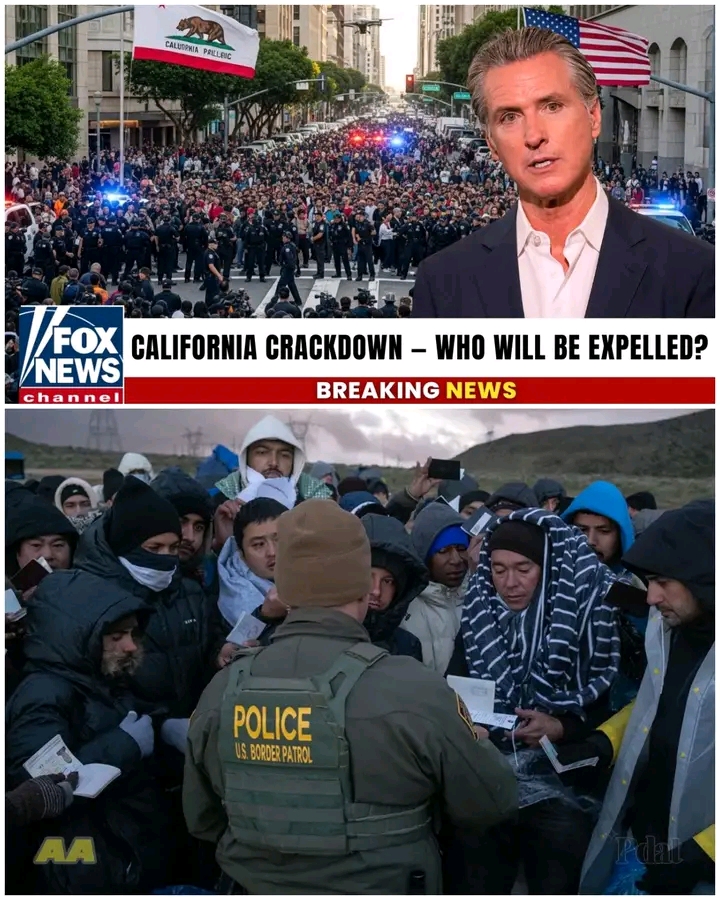
February 15, 2026 is being talked about across social media as a turning point for immigration enforcement in California.
But who is actually at risk of expulsion and who isn’t? Here’s what the new rules really mean, what’s changing, and what’s simply rumor.
Why February 15, 2026 Matters
The date is tied to the implementation phase of updated federal immigration enforcement guidelines issued under the administration of Donald Trump.
While immigration enforcement is governed federally, the impact is especially significant in California due to its large immigrant population and its longstanding “sanctuary” protections.
Beginning February 15, federal authorities are expected to expand enforcement priorities but not everyone is automatically at risk.
Who Could Face Expulsion?
Under the new guidance, priority groups reportedly include:
Individuals with final orders of removal from immigration courts
Non-citizens with serious criminal convictions
Individuals accused of immigration fraud or visa overstays
Those deemed national security risks
Importantly, lawful permanent residents (green card holders) and naturalized U.S. citizens are not subject to deportation under these rules unless serious legal violations apply.
What About Undocumented Immigrants Without Criminal Records?
One of the biggest concerns is whether undocumented immigrants without criminal records could be targeted.
Historically, enforcement priorities have focused on individuals with criminal convictions.
However, expanded authority could allow broader discretion for federal agents, particularly for:
People with denied asylum claims
Individuals who missed immigration court hearings
Those previously deported who re-entered the U.S.
That said, enforcement capacity and local cooperation laws still play a role.
How Does California’s “Sanctuary State” Status Factor In?
California’s sanctuary laws limit cooperation between local law enforcement and federal immigration authorities. This means:
Local police generally do not detain individuals solely for immigration purposes
State resources cannot be used to assist federal deportation efforts
However, federal agencies such as ICE can still operate independently within the state.
This tension between state and federal authority will likely shape how aggressively the new rules are implemented.
What This Does *Not* Mean
Let’s separate fact from fear:
There is no mass automatic expulsion order for all undocumented immigrants on February 15.
There is no blanket policy targeting specific ethnic groups.
U.S. citizens cannot be deported.
Much of the viral messaging online oversimplifies or exaggerates the scope of enforcement changes.
What Immigrants Should Do Now
Legal experts recommend:
Confirm your immigration status with a qualified attorney
Keep copies of immigration documents accessible
Know your rights if approached by federal agents
Avoid relying on unverified social media claims
Organizations across California are preparing legal aid clinics and “Know Your Rights” workshops in response to public concern.
The Bigger Picture
Immigration policy in the United States has long been politically charged.
Changes in enforcement priorities often spark widespread anxiety especially in states like California, where millions of immigrant families live and work.
Whether February 15, 2026 becomes a major enforcement moment or a largely administrative shift will depend on implementation, legal challenges, and cooperation between state and federal authorities.
One thing is certain: understanding the details matters more than reacting to headline

WAIT… Today I am forced by my own heart to tell you something about President Trump’s Because these two photos just broke something open inside me. And I cannot keep it to myself. Click the link below

Something unusual is happening across the U.S… and it’s getting harder to ignore.

Seattle Mayor ADMITS “I Have Zero Experience” As The City Collapses Into Total Chaos

Breaking News: White House Confirms Passing of Beloved Former President, Nation Mourns a Historic Legacy. Tap for the full details

Duty Calls Current Status of Barron Trump (March 2026):No Military Service: As of March 2026, Barron Trump has not enlisted in the U.S. Military.

Starbucks CEO Brian Niccol Responds to NEW YORK After Shutting Down 42 Locations in the City – “We Had No Choice!” Tap the link to read exactly what the CEO said to New York

Just In : Israel STRIKES BACK – over 800 IDF air sorties, 16,000 munitions, and 5,000 terror targets exposed.read the full details

Trump really didn’t expect that his move to strike Iran would end up impacting his own country

Well… the experts are saying it out loud now. On CNN this morning: Iran would win.

Just In: Trump Signs Sweeping Executive Order to Tighten U.S. Election Security. See what happens next

2 minutes ago! Iran’s newest nuclear missile was launched, see what happened!
