
NEWS
One Child Got a System. One Child Got a Choice. That’s the Difference.

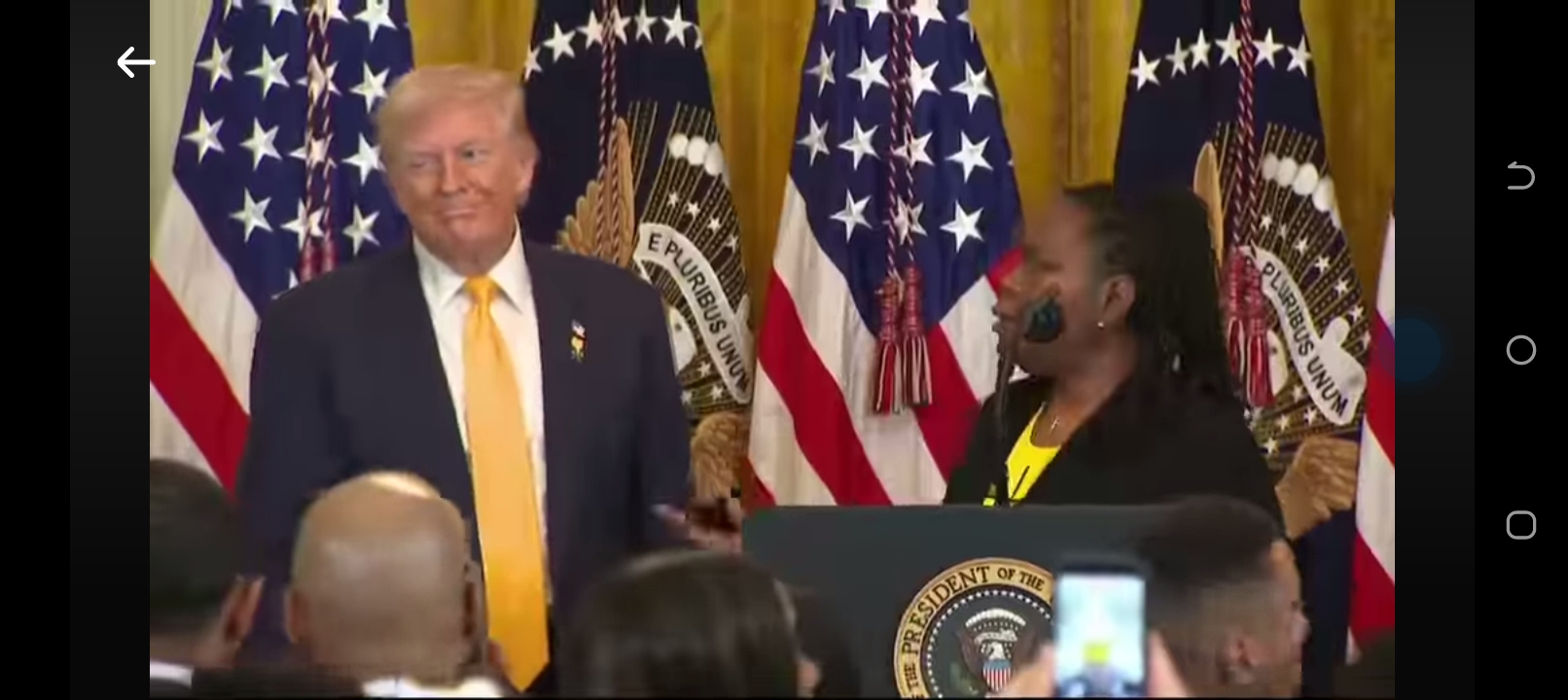
One child got a system.
One child got a choice.
That’s the difference.
For millions of children around the world, the future is not shaped by dreams, talent, or ambition.
It is shaped by structure — or the absence of it.
A system means support. It means safe schools, access to healthcare, mentorship, books, nutrition, stability, and opportunities that don’t depend on luck.
It means adults who are accountable and institutions that function.
A system catches a child when they fall and guides them when they rise.
A choice, on the other hand, only matters when there is something to choose from.
When a child grows up surrounded by working institutions — public schools that teach, communities that protect, healthcare that heals — choice becomes real.
They can decide what to study, what to become, where to live, and how to contribute.
Their potential expands because the structure around them makes possibility normal.
But when a child grows up without that system, choice becomes an illusion.
The decision isn’t between dreams it’s between survival options.
Work or hunger. Silence or punishment.
Drop out or fall behind. Hope becomes secondary to necessity.
Consider the contrast between children raised in stable, resource-rich environments and those in underserved communities across places like United States, Nigeria, or India.
The differences are not rooted in intelligence or ambition.
They are rooted in infrastructure — in whether systems exist to support childhood itself.
A system does not guarantee success.
But it guarantees a starting point.
Without systems, children rely on chance: a generous neighbor, a rare scholarship, an extraordinary act of resilience.
With systems, they rely on design: policy, planning, investment, and collective responsibility.
This distinction matters because conversations about success often focus on personal effort.
We celebrate the individual who “made it.
” We highlight grit and determination.
What we rarely examine is the foundation beneath that success — the schools that worked, the streets that were safe, the networks that opened doors.
One child got a system.
One child got a choice.
The gap between them is not talent. It is structure.
And structure is not accidental.
It is built — through policy decisions, budget priorities, community engagement, and political will.
It is strengthened when societies decide that every child deserves not just survival, but opportunity.
If we want a world where children’s futures are determined by their imagination rather than their postcode, we must build systems that make choice universal, not exceptional.
Because when a child has a system, they earn the freedom to choose.
And that makes all the difference.
Today I witnessed something because of Trump that I will never forget for the rest of my life. And that is exactly why I want to show you Trump’s real face today. Click here for full details

At a Monday press conference, Trump brought up past comments by North Korea’s Kim Jong Un about Joe Biden while discussing US troop deployment in South Korea.

Breaking Claim Sparks Concern: Viral Report Alleges Attack on U.S. Warships Near Strait of Hormuz. See what happens next

Trump’s Playful Jab at Melania Steals the Show with Heartland Egg Farmers President Donald Trump turned on the charm and humor Monday during an outdoor event with egg farmers and their families, playfully introducing First Lady Melania Trump as the glamorous outsider who left Hollywood behind for real America.

BREAKING: Donald Trump is in the Hospital as we speak, though its not confirmed of his conditions.

BREAKING NEWS:Trump’s Stark Remark on Iran Raises Concerns Over Escalation.

JUSTIN:Defense Secretary Hegseth Issues Stark Warning to Iran Amid Rising Tensions. Click for complete story.

JUSTIN:Trump Remarks About Son at Investment Summit Draw Public Attention 🇺🇸.

BREAKING:VP Vance Commends U.S. Military After Daring Rescue of Downed Airman in Hostile Territory.

BREAKING:High-Risk Rescue Mission Highlights U.S. Commitment to Service Members, Sparks Debate on Leadership Style.

According to multiple reports, Donald Trump said Monday that the U.S. could “take out” Iran in one night and suggested that “might be tomorrow night,” escalating fears of a wider war as his deadline over the Strait of Hormuz nears.
